A customer called us the week before a house wash and asked, a little nervously, “Will it break my windows?” It is a fair question, and we welcome it.
Can pressure washing crack a window? Yes, it can. It is uncommon when the job is done the right way and the windows are sound, but it does happen. This guide explains how glass and seals fail, how we work near windows in Howell and across Livingston County, and what to do if you spot damage.
Can Pressure Washing Crack a Window? The Direct Answer
Yes, pressure washing can crack a window, but usually only with very high pressure at close range, a sudden temperature shock, or glass and seals that were already weak. Soft washing and correct pressure lower the risk, though low risk is not zero risk.
Worried about a specific window? Tell us about it when you ask for a free estimate.
How Does Pressure Washing Actually Crack a Window?
Windows crack for a small number of reasons, and you can recognize each one. We think of it as a three cause model: force, temperature and weakness that was already in the window.
Does High Pressure at Close Range Crack the Glass?
It can. A narrow, strong stream at a short distance acts like a hit on a small spot. HomeServe notes that residential pressure washers typically run about 1,300 to 3,000 PSI, while a garden hose delivers roughly 40 to 60 PSI. You can read the details in its piece on how power washing can ruin window seals.
Most window guidance says to stay well back, use a wide fan and angle the spray. We do not publish a PSI number for our own work.
Can Hot Water or a Big Temperature Difference Crack a Window?
It can add stress, mostly to glass that is already weak. Glass expands when it warms and shrinks when it cools. If one part changes faster than the rest, stress builds, often starting at an edge.
Pella explains this in its guide on why windows crack. It describes thermal stress cracks as coming from uneven heating or cooling, and says they typically start at the edge of the glass and extend inward.
Sources differ on how much water temperature matters in a wash. HomeServe says pressure, not temperature, is the main cause of damage, though it notes that a large temperature gap between the water and the pane can contribute. A big, sudden temperature gap is one more thing that can push already stressed glass over the edge.
Why Do Old, Chipped or Stressed Windows Crack More Easily?
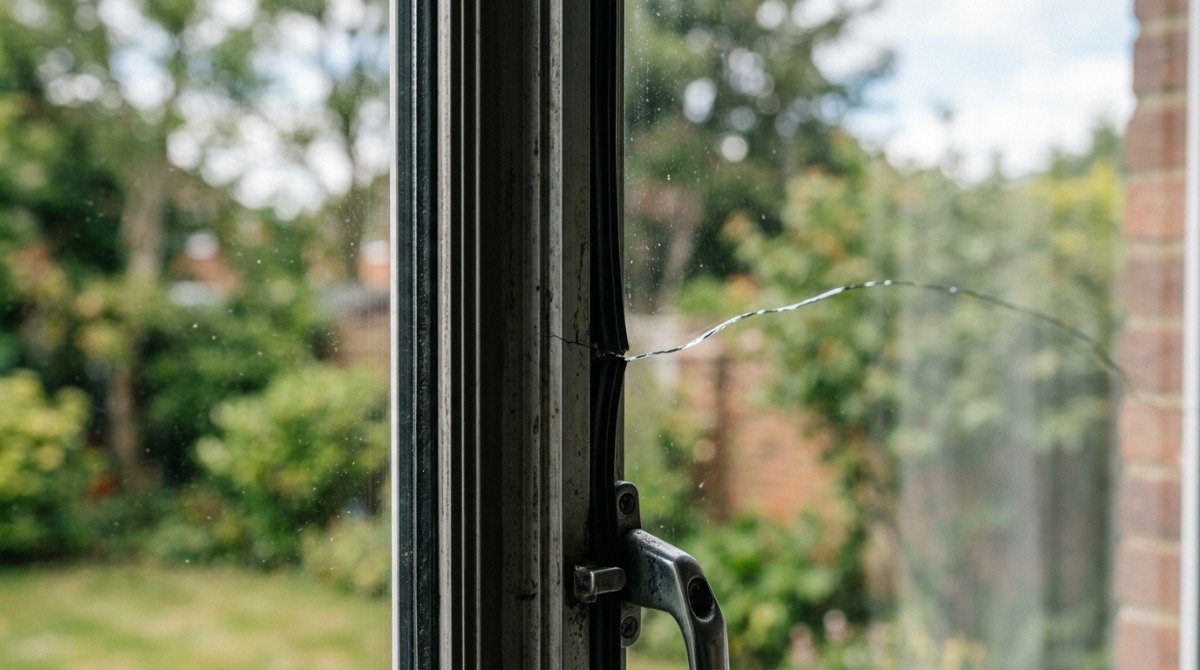
Existing chips at the edge, earlier stress cracks that have not run yet, and large panes are all weak points. Older glass can also be less forgiving.
Think of a large old picture window with a small chip at the corner, the kind of window we look at twice. That chip is where stress cracks begin, and no cleaning method fixes it. A wash did not create the weakness. It can reveal it.
Does Spraying at an Angle Into Window Frames Cause Problems?
Yes, but it is more about water than glass. Spraying up under trim or into frame joints can push water past caulk, flashing or putty and into the wall. HomeServe says water intrusion behind trim is often more damaging than the loss of a seal itself. On older wood windows, loose putty makes this worse.
What Is the Difference Between a Cracked Window and a Failed Window Seal?
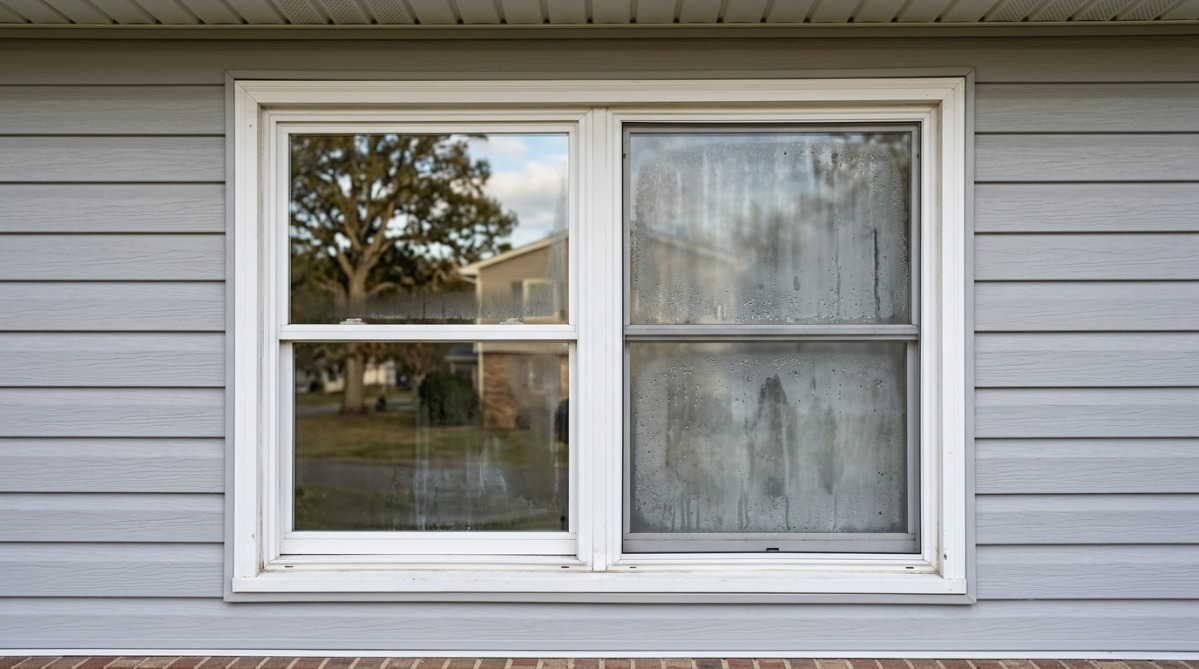
A crack is a break in the glass. A failed seal is a leak between the two panes of a double pane unit, and it shows up as fog or haze that cannot be wiped off.
Seal failure often happens slowly with age and weather. Sometimes it only becomes obvious after a wash or a rain.
How Can You Tell a Failed Seal From Dirt on the Glass?
Wipe both sides. If the haze or water spots stay between the panes, the seal has failed. It is often more visible on a humid or bright day. A failed unit usually needs repair or replacement by a window company.
Why Do Some Windows Fog Right After a House Wash?
We want to be honest here. A wash can stress a seal that was already weak, or it can simply make an old problem easy to see. We cannot always tell which.
We once talked with a homeowner who noticed a foggy pane the day after a wash. The seal had been slowly failing, and the fog only showed up when the glass was wet and the light was right. Fog is not a crack, and it is not always new. This is also why our terms list aged windows and seals. We do not blame the homeowner.
How Does Soft Washing Lower the Risk to Your Windows?
Soft washing uses low pressure and a cleaning solution to loosen algae and dirt instead of force. The detergent does the work, so the water can be gentle.
We use soft wash for houses and roofs, and we pick the right pressure for each surface. You can read more about our house washing. Low risk is not zero risk, and glass that is already weak can still fail.
What Do We Do Near Windows on a House Wash?
We keep it modest, and we do not promise results. Here are our general habits:
- We work from the ground where we can.
- We spray downward and across.
- We keep the stream off frame seams.
- We take extra care at weep holes and trim.
On a two story house, the crew works from the ground with low pressure and angles the spray down and away from frames. Technique matters more than power. We also ask you to close all windows and doors, because we have arrived at homes where windows were left open.
Should Windows Be Pressure Washed at All?
No. Andersen Windows advises against power washers or pressurized cleaning tools on its glass and frames. See Andersen’s help article on cleaning glass and frames.
Manufacturers differ, so check your own window warranty. Pressure washing the glass itself is not how pros clean it.
Which Windows Are Most at Risk?
Older double pane windows, large single pane windows, windows with visible chips, and wood frames with aged putty are the ones we look at first. Here are the risk signs:
- Fog or haze between the panes
- Cracked or shrunken caulk
- Gaps at the frame
- Chips at the glass edge
- Loose putty on older wood windows
- Soft or peeling wood sills
What Should You Do Before a House Wash to Protect Your Windows?
Spend five minutes checking your windows before the crew arrives. Here is the short list.
Close Windows and Doors, and Consider Removing Screens
Close all windows and doors. Removing window screens is recommended for a better clean. If you want to know what happens with screens, ask us when you book.
Check Seals, Caulk and Glass Edges
Look for these:
- Fog between the panes
- Cracked or shrunken caulk
- Gaps at the frame
- Chips at the glass edge
- Loose putty
- Soft wood
Photograph anything you see.
Tell Us About Older or Delicate Windows
Our Terms and Conditions ask clients to tell us about delicate surfaces. Mention old windows when you fill out the estimate form. That helps the crew plan.
Do the five minute check, then send us a note about any older or foggy windows so the crew knows before they arrive. Use the quote form on our contact page.
What Does Our Terms Page Say About Aged Windows and Seals?
Our terms say we are not liable for aged, cracked or improperly sealed windows, or for water intrusion that comes from windows that were not sealed. The reason is simple. No outside cleaner can see inside a window seal, or know the age of the glass.
It is there to be fair to both sides, not to avoid responsibility for our own work. Our 100% satisfaction guarantee is our general promise to make the job right.
What Happens on the Day of Your House Wash at LPW?
Our crew arrives, walks the house with you if you are home, and checks the areas that need extra care. We point out older windows and cracked caulk, we cover and wet plants, then we soft wash, rinse and take a final walk around.
You do not need to be home, though it is preferred. Weather can also move the date. We may reschedule for freezing temperatures, rain or high winds. Our Howell exterior washing page covers the area we serve.
How Do We Handle Windows During the Walk Around?
We say it out loud before we start. If we see an older window with cracked caulk, we point it out to you. We tell you what we see, and what we cannot see.
What If You Spot a Crack or Fog After the Wash?
Stay calm, take clear photos and call us the same day. Here are the steps in order:
- Do not touch or tape the crack.
- Photograph it from inside and outside, with a coin or tape measure for scale.
- Note the time and the weather.
- Call Livingston Pressure Washing.
- Call a window company if it needs repair.
A crack that starts at the glass edge and runs inward is the classic look of a thermal stress crack, according to Pella. A starburst pattern points to an impact. Be aware that some cracks are older than the wash. One customer spotted a thin line in the glass later in the day. We took photos together, and we looked at it together.
What About Cleaning the Windows Themselves?
Window cleaning is a different job from house washing, and we offer it as its own service. Glass is usually cleaned with hand tools or water fed poles, not a pressure stream. Learn more about our exterior window cleaning.
Real World Example: A Typical Older Livingston County House
Picture a two story house with mixed windows. Some are newer vinyl units, and one is an older picture window with a chip at a corner. The crew plans a soft wash from the ground where possible and takes extra care at the old window. The customer is told in advance.
The rule we follow is this. If a window has a visible chip or fog, we say so before we start.
Frequently Asked Questions
Can a pressure washer break a window?
Yes, if the pressure is high, the nozzle is close, or the glass is already weak. Low pressure and correct technique cut the risk.
Can you pressure wash double pane windows?
Avoid spraying the glass directly or the edge seals. The seal between the panes is what fails. Ask a window specialist about cleaning the glass.
Can hot water crack a cold window?
It can add stress to glass that is already weak, especially at the edges. Sources differ on how much temperature matters compared with pressure.
Why did my window fog after a house wash?
Often it was a seal that was already failing. We cannot always tell. A window repair company can check the unit.
Will soft washing damage my windows?
Soft washing is gentler because it uses low pressure, but low risk is not zero. Aged windows and seals can still fail.
Do I need to close my windows before a house wash?
Yes. Close all windows and doors before we arrive.
Should I remove my window screens?
Removing them is recommended for a better clean. Ask us when you book.
Who is responsible if an old window fails?
Our terms exclude aged windows and seals. We explain why in this post, and we invite you to talk with us before the job.
What should I do if I see a crack after service?
Photograph it, do not tape or seal it, and call us the same day.
Do you clean windows too?
Yes. Exterior Window Cleaning is a separate service from house washing.
Conclusion: Honest Answer, Careful Work
Yes, pressure washing can crack a window. It is uncommon when pressure, distance and temperature are handled with care and the glass is sound. Mention any older windows when you ask for a free estimate.
Ready for a careful house wash in Howell, Brighton, Hartland or anywhere in Livingston County? Call Livingston Pressure Washing at 810 360 1002 or use the quote form on our contact page for a free estimate. There is no pressure to book. New customers get a discount when they mention First Time Offer.
Not ready yet? Save this checklist and look over your windows this weekend. When you want a second opinion, we are happy to walk the house with you. You can also see our work in the gallery.