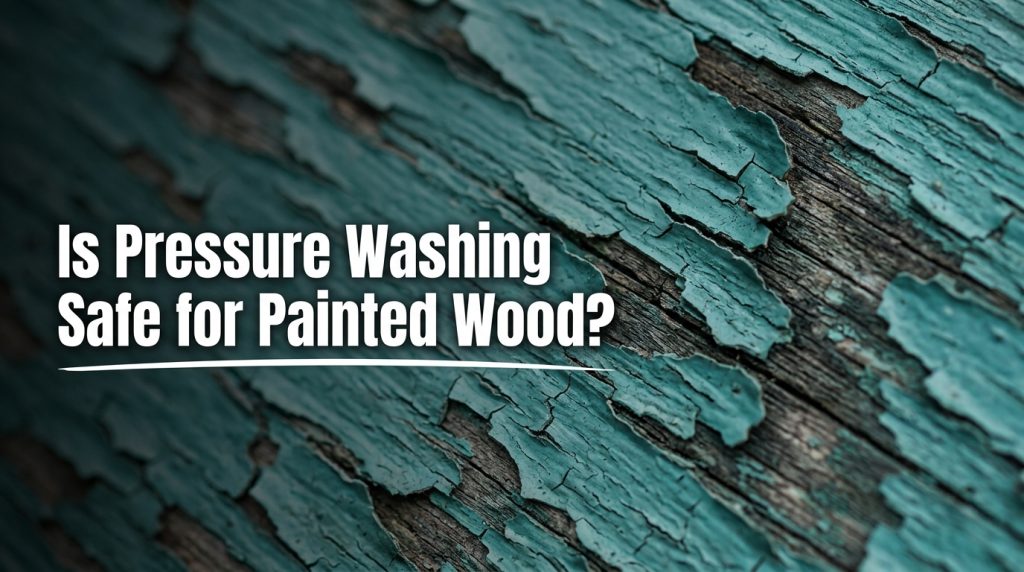
Is pressure washing safe for painted wood? Sometimes yes, but only at the right pressure and only if the paint is in decent shape. The safest approach for most homes is soft washing with a gentle rinse.
Many homeowners in Howell and across Livingston County have wood somewhere on the outside of the house, from cedar siding on a lake cottage to painted trim and shutters on an older home. This guide gives you a simple paint check, a plain talk on cedar, fences and trim, and a list of times when we would not wash.
Is Pressure Washing Safe for Painted Wood? The Short Answer
Pressure washing can be safe for painted wood when the paint is well bonded and the pressure is low with a wide fan tip. High pressure can strip paint and raise the grain. Soft washing, which uses a detergent and a gentle rinse, is the safer choice for most painted wood.
Not sure about your paint? Call 810 360 1002 and we will take a look at your free estimate.
What Can Go Wrong When You Pressure Wash Painted Wood?
The main risks are stripped paint, rough wood and water where it should not be. Each one has a clear cause, so each one is easier to avoid once you know it.
At many estimates, a homeowner pulls a thumbnail across the siding and shows us a bit of paint coming off. That small test already tells us a lot about what a wash will do.
Can Pressure Washing Strip Paint Off Wood?
Yes, if the paint is old or poorly bonded, or if the pressure is too high or the tip too narrow. Paint stays on wood because it sticks to the surface. When that bond is weak, a hard stream gets under the edge and lifts the paint in strips.
Some paints are more forgiving than others, but any paint can lift when it is failing. That is true for a pressure washer, and it can even be true for a gentle wash on paint that is already loose.
Can Pressure Washing Damage the Wood Under the Paint?
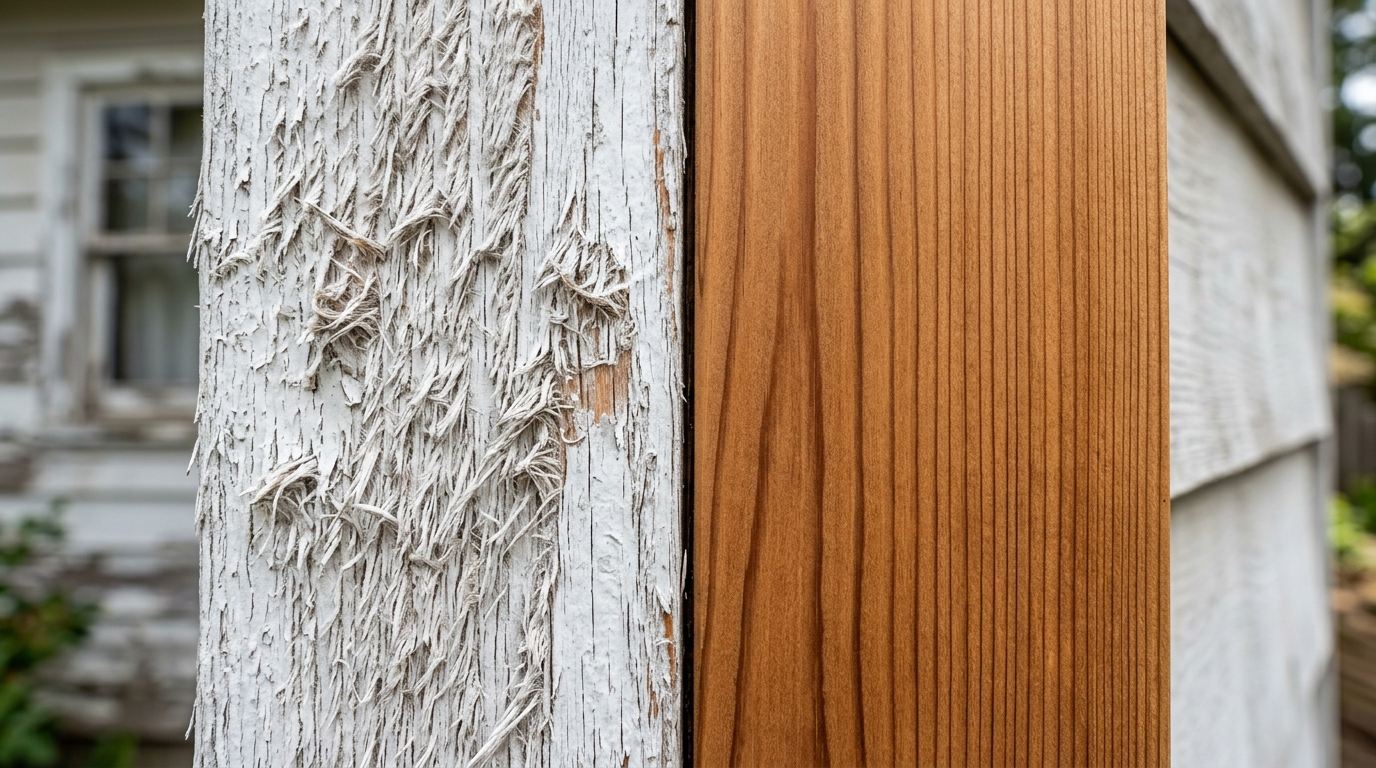
It can. Soft woods such as cedar, pine and spruce are the most likely to get rough. Ardec, a wood care resource, explains that wood fuzzing leaves the surface rough and frayed, and that it comes from weathering or from aggressive cleaning that strips soft fibers. A hard stream can also gouge the wood where the paint has worn thin.
Can Water Get Behind Painted Siding?
Yes, especially on clapboard and shingles that get sprayed upward or from close range. Hunker’s guide to pressure washing siding says never to point the sprayer upward at clapboard, because water can get under the planks and may even dislodge them. Water that gets behind siding can wet insulation, trap moisture and feed mold.
How Do You Know If Your Paint Is Strong Enough to Wash?
Run a quick four question paint check before any wash. It takes a few minutes and needs no tools.
- Is the paint peeling or flaking?
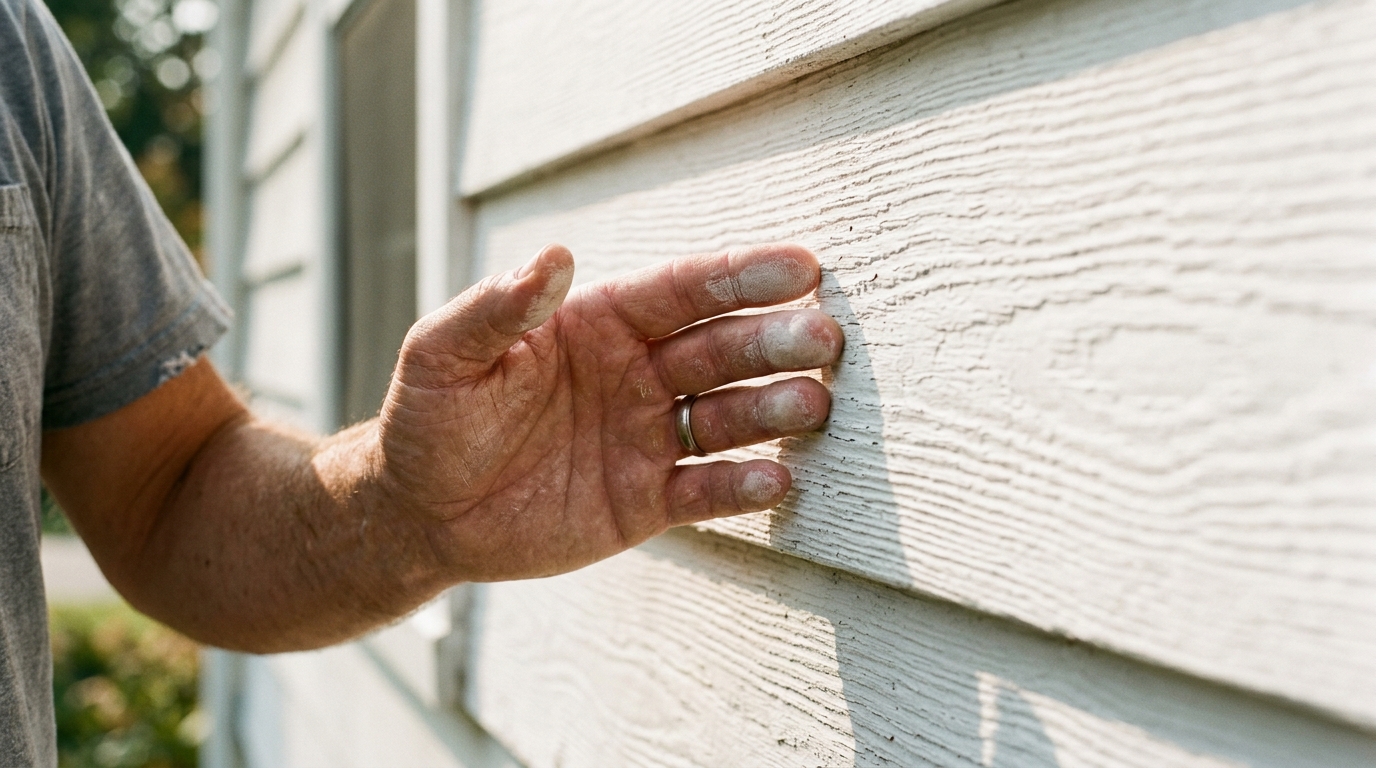
- Does it rub off as chalk on your hand?
- Are there bare, gray or cracked patches?
- Are the caulk lines and gaps around trim open?
Your answers decide what happens next. Send us a photo of your siding or use the quote form on our contact page, and tell us the age of your home.
Is the Paint Peeling or Flaking?
Peeling means the bond is poor, so a wash can remove more paint. Our rule is simple. Small spots can be handled with a gentle wash and a note. Large areas mean repair or repaint first.
Is the Paint Chalking or Oxidized?
Touch the siding and look at your hand. A chalky white residue means the paint is wearing out from sun and weather. Chalk is a sign of weathering, and it is not always a failure.
A gentle wash will rinse the chalk away, and that may change how the color looks. Our Terms and Conditions do not guarantee complete removal of oxidation, so we plan around it and tell you what we see.
Are There Bare, Gray or Cracked Patches?
Bare wood soaks up water and fuzzes easily. Mark those spots. They need extra care, and they often need primer and paint soon after.
Are the Caulk Lines and Gaps Around Trim Open?
Open gaps let water in behind the trim. Michigan freeze and thaw cycles open seams over the years. Dry caulk that has pulled away is a good thing to seal once the wood has dried.
What About Homes Built Before 1978 and Lead Paint?
Older paint may contain lead, and this is the one time we slow down. We are not painters or lead inspectors, so this section is general information and not legal advice.
Why Does 1978 Matter?
The U.S. Environmental Protection Agency (EPA) explains in its Lead Renovation, Repair and Painting program overview that the rule covers homes, childcare facilities and preschools built before 1978. It applies to paid work that disturbs painted surfaces. EPA says people working on their own homes are generally not covered, but it recommends lead safe practices.
EPA also has a page on how the rule applies to pressure washing. It says pressure washing is not a prohibited practice under the rule, but it is subject to the same containment requirements as other allowed work, including keeping dust, debris and waste water inside the work area.
What Should I Do If My House Is That Old?
Do not wash flaking paint yourself with a strong washer. A lead test kit costs little. Hunker advises testing the paint first, and says not to pressure wash if the result is positive. If the test is positive, talk to a certified lead safe contractor.
When someone with an older house calls and asks, “Should I even wash this?” we ask the age of the house and look at the paint first, before we quote.
Does Soft Washing Still Apply on Those Homes?
Soft washing uses low pressure and is gentler on paint. But loose paint is loose paint. We would not wash a surface where flakes are coming off in sheets, and we would tell you why.
Why Is Soft Washing Often the Better Fit for Painted Wood?
Soft washing lets the detergent do the work, so the rinse can stay gentle. That keeps the grain flat and the paint where it belongs.
What Is Soft Washing and How Is It Different?
Soft washing is low pressure water plus a specialized detergent. We use custom, in house detergents and a pressure controlled wash system. Our house washing page explains the method, and our site says soft washing cleans without causing damage to siding, paint or other surfaces.
We want to be fair about that. Our terms exclude loose paint, so we would never say soft washing can never affect paint. Paint that is already peeling, chalking or poorly bonded can lose more paint during any wash, including a gentle one.
What Pressure Do Pros Use for Painted Wood?
Sources disagree. Ardec’s fuzzing article suggests a range of 1,000 to 3,000 PSI with the tip about 12 to 18 inches from the wood. Other guides for painted cedar suggest staying lower. The right number varies by source, by wood and by the condition of each board.
That is why we do not use a fixed number on every job. We pick settings for each surface, and the paint label and your siding’s condition come first.
Will the Detergent Hurt the Paint?
A well chosen, properly diluted soft wash mix is designed to clean without harming sound paint. Our detergents are custom, and our site describes them as safe for wood. Still, we do not promise zero effect, and loose paint is the exception.
Cedar, Pine and Other Soft Woods: What Changes?
Soft woods mark easily, so they get the gentlest approach. We once washed a shaded cedar wall that had grown green on the north side. A gentle rinse after the detergent left the grain flat, because the detergent lifted the growth and force was not needed.
Why Does Cedar Fuzz and Gouge?
Cedar has soft areas that tear up under a hard stream. Uneven wand movement leaves streaks. Ardec says fuzzing can be brushed off with a short bristle brush and lightly sanded, but only once the wood is fully dry.
Should I Wash Cedar With the Grain?
Yes. Work along the grain and keep the motion even. A steady, even pass leaves fewer marks than one that stops and starts.
What About Fences, Trim and Shutters?
Each one has its own quirks. We include wood siding, trim and fences as part of exterior cleaning, and we look at the paint on each one first.
Can I Wash a Painted Wood Fence?
Yes, with care. Boards and rails take paint differently. We once looked at a fence where the paint had held on the posts and flaked on the rails. The same wash can be fine on one board and too much for the next.
Check the top rails and posts for loose paint. Wash gently and work in sections.
What About Trim, Fascia and Shutters?
Trim holds caulk lines and window seals. Shutters have louvers that trap water. We avoid spraying up into gaps. Our terms exclude aged windows and seals, so we ask the owner to flag any known issues. If you are curious about windows, read about our exterior window cleaning service.
What About Painted Porches and Decks?
Painted floors can chip faster because people walk on them. We are honest about that. For decks and patios, see our deck and patio cleaning page.
How Long Should Painted Wood Dry Before You Repaint?
Plan on at least a day or two of dry weather, and longer if it is cool or humid. A customer who plans to repaint will often ask how long to wait. Dry time matters more than the wash.
What Is a Realistic Timeline From Wash to Paint?
The usual order is wash, dry, scrape and repair, spot prime bare wood, caulk, then paint. Many painting guides call for about 24 to 48 hours of dry time after washing. The paint can label always wins, so follow it.
Should I Wash Before I Repaint?
Yes. Clean surfaces hold paint better, and removing mildew first matters. In Michigan, humid summers slow drying and fall mornings stay damp. Give the wood extra time.
When Should You NOT Wash Painted Wood?
A few conditions mean wait, repair or repaint first.
- Paint is flaking in sheets, especially on a house built before 1978. Test for lead and talk to a lead safe contractor first.
- Wood is soft, punky or rotten. Water will make it worse. Repair first.
- Siding or trim is loose, or has open gaps and failed caulk. Fix first.
- Windows or seals are aged and leaking. Our terms exclude them.
- Freezing weather. Our terms allow rescheduling for freezing temperatures.
We would rather say “not yet” than ruin your paint.
What Happens on Service Day at Livingston Pressure Washing?
Here is how a painted wood job runs on our side.
Before We Start
If you are home, we walk the house with you. We check the paint, mark loose spots, and ask about the age of the house. We protect plants, and we ask you to close windows and doors.
During the Wash
We pre wet, then soft wash from the top down with a gentle rinse. We work along the grain, and we avoid spraying up into gaps.
After the Wash
We do a final check and tell you what to watch for. We also give honest repaint timing advice.
Frequently Asked Questions
Can pressure washing remove paint from wood?
Yes, if the paint is loose or the pressure is high. Sound paint usually survives gentle washing. A paint check first tells you which one you have.
What PSI is safe for painted wood?
Sources differ. One wood care source suggests a range of 1,000 to 3,000 PSI at 12 to 18 inches, and others say lower for painted cedar. We pick settings for each surface and do not use a fixed number.
Can you pressure wash peeling paint?
It will remove more of it. Scrape and repair first, or wash gently knowing some paint will come off.
Is soft washing safe for painted wood?
It is gentler than high pressure, and it is safe for sound paint. Loose paint is the exception, because any wash can lift paint that is already failing.
Is it safe to wash a house built before 1978?
Test the paint first. Do not use a strong washer on flaking paint. EPA rules cover paid work that disturbs painted surfaces in those homes, so talk to a lead safe contractor if a test is positive.
How long should wood dry before painting?
Many guides say about 24 to 48 hours, and longer when it is cool or humid. Your paint label rules, so follow it.
Will washing cedar make it fuzzy?
High pressure can. Gentle washing along the grain helps keep it flat.
Can you wash a painted fence?
Yes, with care. Check the rails and posts for loose paint, and wash in sections.
Do you wash shutters and trim?
Yes, as part of a house wash. We avoid spraying into gaps and ask you to flag aged seals.
Ready to Find Out If Your Painted Wood Is Safe to Wash?
Start with the four question paint check. Our honest line is simple. We use a gentle method on good paint, and we make no promises on loose paint.
Call Livingston Pressure Washing at 810 360 1002 or request your free estimate on our contact page. Mention First Time Offer for a discount as a new customer. We are at 110 Riddle St in Howell, open Monday to Saturday, 8 am to 8 pm, and you can read about our Howell exterior washing.