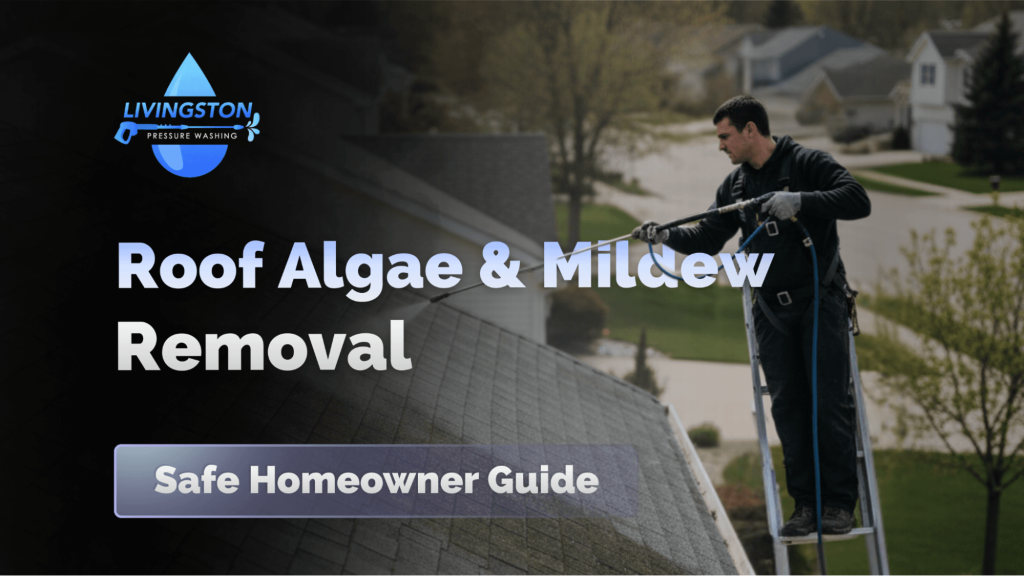
How to Remove Algae and Mildew from Your Roof Safely
Roof cleaning tips for homeowners in Livingston, Howell, Brighton, Fowlerville, Hartland & nearby areas.
Introduction
Algae and mildew on your roof not only look unattractive — those dark streaks and growths can trap moisture and shorten your roof’s lifespan if left too long. The good news? You can remove algae and mildew safely if you know how and avoid common mistakes. In this guide, we’ll walk you through safe methods to clean your roof and protect your home — including how professional cleaning differs from a standard Roof Cleaning service.
2. What Is Roof Algae & Mildew?
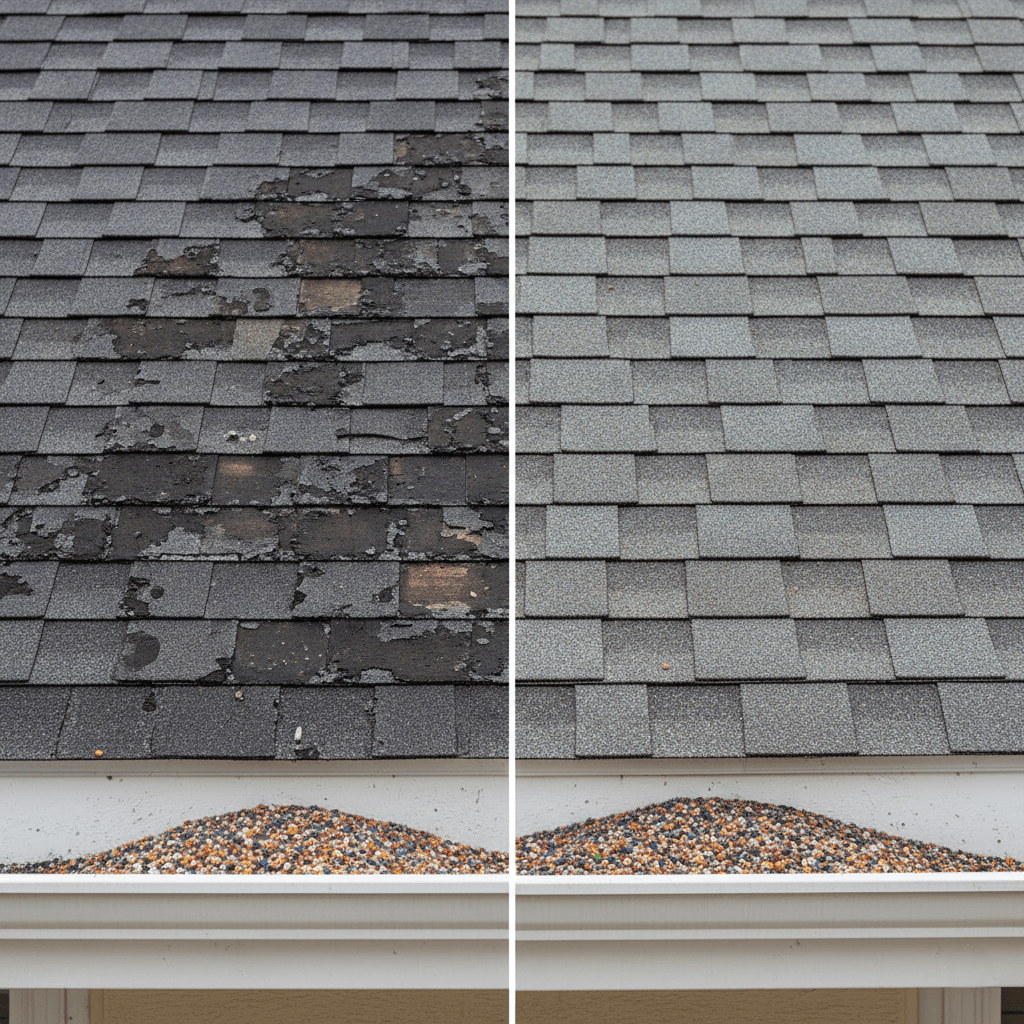
Algae and mildew are common organic growths that show up as dark streaks, blotches, or green patches. On asphalt shingles, they’re usually blue-green algae that feed on moisture, while mildew tends to appear in damp, shaded areas. Both can make your roof look older than it is and, over time, contribute to moisture problems if not addressed.
3. Why High-Pressure Washing Is a No-No
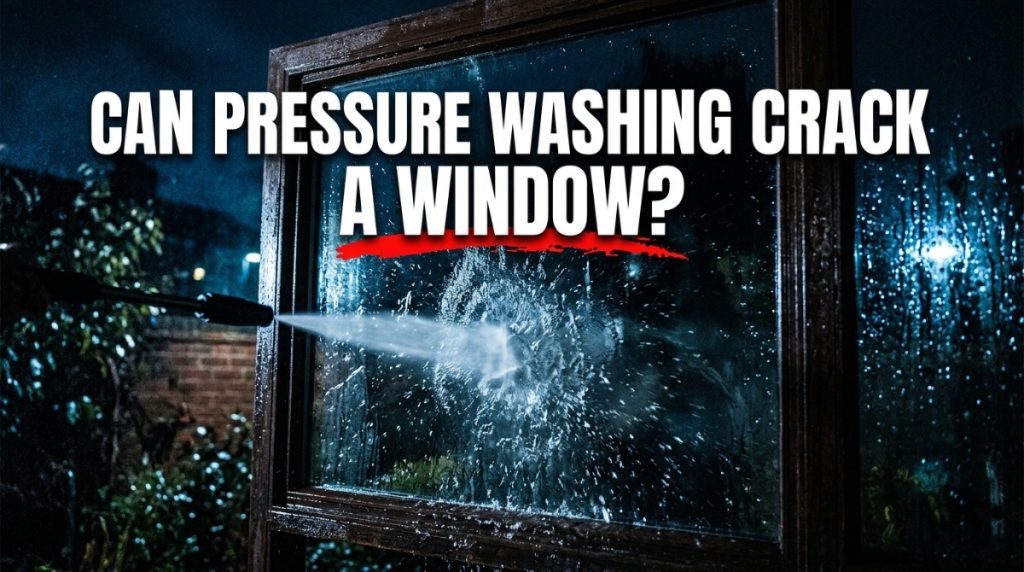
A common mistake homeowners make is trying to use a high-pressure washer to clean roof growths. High pressure can strip granules off asphalt shingles, crack tiles, and damage roofing materials — which can lead to leaks and shorten your roof’s life. That’s why experts do not recommend using pressure washers on roofs.
4. Safe Steps to Remove Algae & Mildew
i. Use a Gentle, Roof-Safe Cleaning Solution
The safest way to remove algae and mildew is by using a low-pressure soft wash cleaning solution — a mix of water and a cleaning agent that kills organic growth without harming shingles. Many professionals use roof-safe products or a diluted bleach solution (often mixed with water) to treat stains and streaks.
💡 DIY option: Some homeowners mix equal parts water and bleach, spray affected areas, let it sit 15–20 minutes, then rinse gently with a garden hose. Be sure to protect landscaping and avoid runoff.
For homes where algae or mildew are widespread or stubborn, our professional Roof Cleaning service uses safe soft-wash techniques that eliminate growth down to the root — without risking roof damage.
ii. Work From Top to Bottom
When applying cleaning solution, start at the top of the roof and work downward. This prevents streaking and ensures the solution breaks down algae and mildew before rinsing.
iii. Rinse Carefully on Low Pressure
Once the solution has had time to break down the growth, rinse the roof using a garden hose or a low-pressure sprayer. Avoid pressure washing equipment — the goal is to wash with the solution, not blast at it, which can damage roofing materials.
iv. Protect Yourself & Your Property
Working on a roof can be dangerous. If you attempt cleaning yourself, use a sturdy ladder, non-slip shoes, gloves, and safety harnesses. Wet roofs are slippery, and even mild chemicals can harm plants below — so cover landscaping and rinse plants afterward to protect them.
While DIY work is possible with care, many homeowners in areas like Livingston, Howell, and Brighton choose our professional Roof Cleaning service because it combines safe low-pressure cleaning with full safety protection and cleanup.
v. Know When to Call a Professional
If your roof is steep, old, heavily stained, or you aren’t comfortable on ladders, it’s safer to call a pro. Professional cleaners use soft-washing systems — low-pressure methods that kill algae and mildew while protecting shingles. They also bring the right safety gear and experience to avoid roof injury or property damage.
👉 Interested in professional help? Learn more about our Roof Cleaning services and get a free estimate — we know how to remove roof algae safely with care.
5. Tips to Prevent Algae & Mildew from Returning
- Trim overhanging trees to let sunlight reach the roof — shaded areas encourage growth.
- Clean gutters regularly so water doesn’t overflow and sit near shingles — and check out our Gutter Cleaning service for full gutter protection.
- Consider installing zinc or copper strips near the roof ridge — these metals naturally discourage algae growth over time.
6. Safe, Effective Roof Care
Algae and mildew may be common, but they don’t have to stay. With safe cleaning solutions, careful application, and the right technique, you can protect your roof’s look and longevity. And when the job feels too big or risky, professional roof cleaning services deliver thorough, low-impact cleaning that keeps your home safe and looking great.
Frequently Asked Questions (FAQ)
- Can algae and mildew damage my roof?
Yes — left unchecked, algae and mildew can retain moisture and stress shingles, potentially shortening the roof’s lifespan. - Is pressure washing safe to remove roof algae?
No — high-pressure power washing can damage shingles and roofing materials. Soft washing with a gentle cleaner is recommended. - Can I use bleach to clean algae off my roof?
Yes — a diluted bleach solution (mixed with water) can be effective, but protect plants and nearby landscaping, and rinse thoroughly. - How often should I clean roof algae and mildew?
Generally, once a year is enough for most homes, though heavily shaded or humid areas may need cleaning more often. - When should I hire a professional?
Call a professional if the roof is steep, heavily stained, or you’re uncomfortable working at height — professionals use safe low-pressure cleaning methods and proper safety gear.
Schedule Your Service
Get a free estimate in
Livingston MI,
Howell,
Brighton,
Fowlerville,
Hartland
& nearby areas!
Or, if you prefer to call, you can reach us at
810-360-1002.